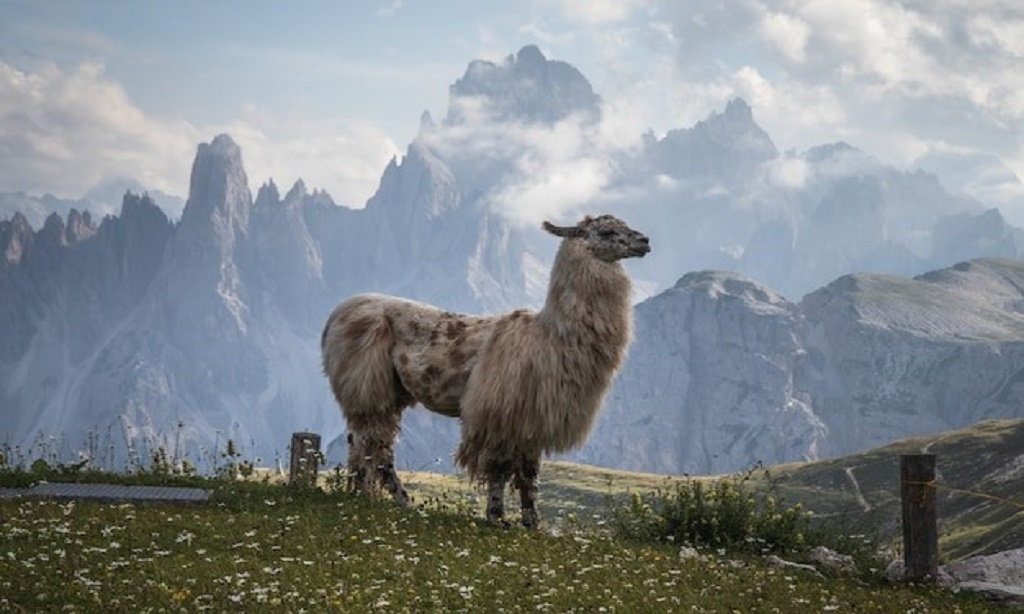
Hiking the Inca Trail to Machu Picchu is an adventure of a lifetime. This well-known hike offers stunning scenery, a wealth of historical significance, and a deep sense of accomplishment. However, the experience may be both thrilling and intimidating for novice hikers.
Here are ten crucial tips to make sure your experience ofInca trail to Machu Picchu is as easy and fulfilling as possible:
Book Your Permit Early
Permits for the highly controlled Inca Trail often sell out months in advance. Plan your vacation and book your permit as soon as you can, ideally six months in advance to secure your place.
Train for the Trek
The trail requires physical preparation due to its high altitude and hard ascents. Increase your endurance through strength training, hiking, and regular aerobic exercises. Focus on strengthening your legs and toting a full backpack.
Acclimatize to the Altitude
Even the most fit trekkers can get altitude sickness. Arrive in Cusco or another high-altitude area a few days prior to your trek to allow your body to acclimate. Stay hydrated and refrain from exerting yourself too much during this time.
Pack Smart and Light
Pack necessities such as a rain jacket, hiking boots, layered clothes, and a high-quality bag. Leave non-essentials behind to prevent extra weight. You will still be responsible for managing your day bag even though porters may carry some equipment.
Stay Hydrated
Drinking enough water is essential, particularly at high elevations. Use water purification tablets or filters to clean water from natural sources when hiking, and keep a hydration pack or refillable water bottle with you.
Invest in Comfortable Trekking Boots
Your hike can be ruined by blisters and painful feet. Make sure your boots offer adequate ankle support and try them sufficiently in advance. Wear them with socks that wick away sweat for additional comfort.
Hire a Reputable Trek Operator
Select a certified tour operator who has a solid reputation and is dedicated to eco-friendly travel. An excellent operator will improve your entire trip by offering knowledgeable guides, porters, food, and equipment.
Prepare for All Weather Conditions
The weather might change suddenly on the Inca Trail. Stay prepared for cold, rain, and sun. For bright days, you’ll need a wide-brimmed hat, sunscreen, and sunglasses; for cold nights, you’ll need thermal layers and gloves.
Carry Cash for Tips
Porters and guides put forth a lot of effort to make sure your trek is enjoyable. Tip them with tiny denominations of Peruvian soles at the end of the journey. It is quite appreciated and customary.
Pace Yourself and Enjoy the Journey
The journey is just as important to the Inca Trail as the final destination. Enjoy the breathtaking landscape, historic ruins, and companionship of other hikers by taking your time. Pay attention to your body and take breaks as necessary.
Hiking the Inca Trail is a once-in-a-lifetime experience that demands preparation and consideration for the challenges it presents. You will be more prepared to enjoy the journey to the fullest and make treasured memories as you enter the center of Incan history as you follow the tips mentioned above.
Arequipa is Preparing to be the First Smart Tourist Destination in Perú
Arequipa Destination in Perú
The Ministry of Foreign Trade and Tourism (Mincetur) has begun implementing a pilot project to transform the Arequipa region into the first Intelligent Tourist Destination (ITD) in Peru.
An intelligent tourist destination stands out for having cutting-edge technological infrastructure, accessible routes, facilitating the interaction and integration of travelers with the environment, and contributing to improving the experience of national and international tourists and the quality of life of its own inhabitants.
In that vein, the minister stated at a press conference marking the start of the pilot in the White City that “smart tourist destinations not only enhance the visitor experience but also contribute to a more sustainable, responsible, and balanced tourism, where the benefits are fairly distributed among all the actors involved.”
It is important to highlight that this effort is supported by the technical backing of the State Mercantile Company for the Management of Innovation and Tourist Technologies (SEGITTUR) of Spain, an internationally prestigious entity that has been key in the promotion and development of Smart Tourist Destinations worldwide, endorsed by UN Tourism, World Travel Tourism & Council, European Capital of Smart Tourism, Organization for Economic Cooperation and Development (OECD), and the Inter-American Development Bank. (BID).
“Arequipa, with its historical, cultural, and natural wealth, is ready to become a benchmark in Peru, demonstrating that tourism can be a source of economic and social development, as long as it is based on the principles of innovation, sustainability, and accessibility,” stated Minister León Chempén.
The pilot project has a duration of two years, during which it applies a methodology for Arequipa to obtain the adhered recognition of Smart Tourist Destination, which will help it achieve the proper international certification granted by SEGITTUR and be recognized as a DTI. The time may vary depending on the level of commitment and execution capacity of the regional and local governments and other involved actors. The process involves all public, private, and academic institutions within the jurisdiction of the destination, as well as the local community.
Likewise, the initiative seeks to promote the installation of technological infrastructure and public-private cooperation with the aim of consolidating the city as a leading destination in innovative tourism, as well as improving and diversifying the tourist offer in that part of the country and increasing visits from national and foreign citizens.
“This pilot project not only represents an opportunity for the White City but also for all of Peru, as it marks the beginning of a process that will allow other tourist destinations to follow this path of modernization and continuous improvement,” highlighted the head of Mincetur.
With the implementation of this initiative, the aim is to establish a uniform and comprehensive methodology to convert other tourist destinations in the national territory into DTI, based on five strategic pillars (proposed by SEGITTUR): governance, sustainability, innovation, technology, and accessibility.
Best Restaurants in Arequipa
Arequipa has a thriving culinary scene that combines regional delicacies with typical Peruvian cuisines. Here are some of the best restaurants you should try in Arequipa:
Zig Zag Famous for its Swiss-style cuisine, Zig Zag offers a unique dining experience with meats cooked on hot stones. It’s an excellent spot to try dishes like alpaca, beef, and local specialties like rocoto relleno.
La Nueva Palomino A beloved spot by locals, this restaurant specializes in Arequipa’s signature dish, rocoto relleno (stuffed spicy pepper), and offers a great selection of traditional dishes.
Chicha por Gastón Acurio A restaurant by the renowned Peruvian chef Gastón Acurio, offering innovative takes on classic Peruvian dishes, such as cuy (guinea pig) and tacu tacu, in a chic, modern setting.
Sol de Mayo A local favorite for traditional Arequipeña food, this place is known for its adobo (pork stew) and trucha (trout), all served in a cozy atmosphere with a touch of rustic charm.
La Trattoria del Monasterio This Italian restaurant offers delicious pasta, pizzas, and Mediterranean-inspired dishes in a beautiful colonial-style setting. It’s perfect for a more relaxed but high-quality dining experience.
El Tío Darío A hidden gem for its rocoto relleno and moray, offering a taste of Arequipa’s most authentic and hearty dishes, often recommended by locals for its flavorful offerings.
Dona Augusta Known for its hearty traditional food like papa a la huancaína and chicharrón, Dona Augusta brings the full depth of Arequipa’s food culture to the table.
La Casona del Molino If you want to experience Arequipa’s food scene in a historic setting, this restaurant offers a blend of local flavors, perfect for trying Arequipa’s famed ocopa (potato with chili sauce).
These restaurants offer a mix of both local traditional dishes and innovative twists, making them excellent choices for any culinary enthusiast visiting Arequipa.
Top 10 Things to do in Arequipa
Here’s a top 10 list of things to do in Arequipa, one of Peru’s most beautiful and historic cities:
1. Visit the Santa Catalina Monastery
This stunning monastery is often compared to a city within a city. It features narrow streets, plazas, chapels, and vibrant walls painted in bold colors. It is a tranquil location where one may learn about the religious history of Arequipa and tour the city.
2. Explore the Colca Canyon
One of the deepest canyons in the world, Colca Canyon offers spectacular views and the chance to spot the majestic Andean condor. You can hike, enjoy thermal baths, or take a scenic drive through this awe-inspiring natural wonder.
3. Admire the Arequipa Cathedral
The Arequipa Cathedral, situated in the Plaza de Armas, is a stunning specimen of colonial architecture. You can take a tour of its interior and even climb to the bell tower for panoramic views of the city and surrounding volcanoes.
4. Tour the Museo Santuarios Andinos
This museum is home to the famous “Juanita Mummy,” a well-preserved Inca sacrificial offering found high in the mountains. A unique look into Inca culture and customs can be found in the museum.
5. Stroll Through the Plaza de Armas
The central square of Arequipa is perfect for a relaxing stroll. The Plaza de Armas is surrounded by elegant colonial buildings, cafes, and shops. It’s the perfect spot to take in the vibes of the city.
6. Visit the Yanahuara Viewpoint
Just outside the city center, this viewpoint offers sweeping views of Arequipa and the snow-capped El Misti Volcano. The area is also home to a charming church and traditional stone arches.
7. Hike El Misti Volcano
If you’re up for an adventure, a trek to the summit of El Misti (5,822 meters) is a thrilling experience. The hike typically takes 2-3 days, and the views from the top are absolutely breathtaking.
8. Discover the Monasterio de la Recoleta
Another hidden gem of Arequipa, this monastery is known for its beautiful architecture, peaceful gardens, and stunning views of the city. It is a wonderful location to unwind and take pleasure in some peace and quiet.
9. Explore the Mercado San Camilo
For an authentic experience, visit this bustling market, where you can try local foods, shop for souvenirs, and immerse yourself in the vibrant atmosphere of the city. It’s the perfect place to get a taste of Arequipa’s culinary delights.
10. Sample Arequipa’s Cuisine
Arequipa is known for its rich food culture, so don’t miss the chance to try local dishes like rocoto relleno (stuffed spicy peppers), adobo (pork stew), and queso helado (a local ice cream dessert). Visit local restaurants or street food stalls for an authentic taste of the region.
These activities will give you a fantastic mix of history, culture, adventure, and relaxation while in Arequipa!
Arequipa Food Tour
Arequipa, known as Peru’s “White City,” is a culinary paradise, offering a rich mix of traditional and contemporary flavors. A food tour here is a must for anyone wanting to experience the heart of Peruvian cuisine. Here are some of the highlights:
1. Rocoto Relleno – This is one of Arequipa’s most iconic dishes. It features a spicy rocoto pepper stuffed with minced meat, onions, olives, and hard-boiled eggs, then topped with cheese and baked. Papa a la huancaína, which are potatoes in a creamy cheese sauce, is served as a side dish.
2. Adobo Arequipeño – A rich, hearty stew made with pork, marinated in chicha de jora (a fermented corn drink), and seasoned with garlic, onions, and local spices. It’s typically served with pan de la casa (house-made bread) and is perfect for a comforting meal.
3. Cuy Chactado – Guinea pig is a traditional Andean delicacy, and in Arequipa, it’s often deep-fried until crispy. The dish is usually served with a side of salsa de maní (peanut sauce) and is a must-try for adventurous eaters.
4. Chupe de Camarones – A tasty, creamy shrimp soup cooked using local shrimp, potatoes, maize, and a variety of Andean herbs and spices. It’s the perfect dish to try in Arequipa’s cooler climate.
5. Pisco Sour Arequipeño – While the classic Pisco Sour hails from Lima, Arequipa has its own variation with a touch of local fruit like passion fruit. It’s a refreshing and potent cocktail to complement your meal.
6. Queso Helado – For dessert, try queso helado, a unique treat that resembles ice cream but is made from a mix of milk, sugar, coconut, and cinnamon. It’s the perfect way to round out a meal—refreshing and tasty.
A food tour through Arequipa offers an authentic and flavorful journey into the heart of Peru’s culinary diversity, blending local ingredients and centuries-old traditions with modern culinary innovation.
The Floating Islands of Uros
Islands of Uros in the Lake Titicaca
The Floating Islands of Uros are part of the heritage of global importance located in Lake Titicaca, on the beautiful Altiplano of Peru. The only islands of their kind in the world, the Uros Islands differ not only in their construction but also in the lifestyle of the people. As the name implies, these forty or so islands are made of the totora reeds that flourish naturally in Lake Titicaca. Instead of decomposing, the reed roots continue to grow, naturally expanding the landscape but creating a somewhat uneven walking surface from our modern perspectives.
1. Historical and Cultural Significance of the Uros People
The Uros are a people indigenous to the Peruvian and Bolivian Andes, living on dozens of artificial floating island archipelagos situated in and around Lake Titicaca. The Uros believe they evolved from the water itself and refer to themselves as kot-sun-kun or “the Lake people.” The Uros people have long held this unique relationship with Lake Titicaca, and they cannot envision life apart from it. Their oral histories explain that it is possible to tame the lake and live upon it, having done so since humans came from the underwater world.
2. Origins and Traditions
According to oral history, the Uros people originated in the Amazon. Dissatisfied with living in a swampy region away from the main river, they decided to move to Lake Titicaca. The Uros reportedly traveled north and settled for decades in different peninsulas of Lake Titicaca. Whenever conflicts erupted with other ethnic groups, the Uros people would resort to their reed boats, bail out the water, and abandon their home straightaway. Following this tradition has ensured the survival and the continuity of the Uros people.
3. Geography and Ecology of Lake Titicaca
Lake Titicaca is the largest lake on the South American continent and stands as one of the highest navigable bodies of water throughout the world. Located on the Altiplano of the Andes mountain range between the borders of Peru and Bolivia, this high-altitude lake is renowned for its unique natural landscape and ecological riches. The Lake Titicaca ecosystem supporting the floating Uros Islands is an endless stretch of ethereal beauty, golden, wind-rippled, and restless.
4. Unique Ecosystem
Lake Titicaca is a high-altitude freshwater lake located in the Andes and is the largest of its kind in South America. The lake offers a rich biodiversity of small freshwater organisms that support a substantial fish population, which in turn sustains local human populations directly or indirectly. This makes it unique among other freshwater systems in the region.
Lake Titicaca is home to its own set of endemic species, making its freshwater habitat unique compared to surrounding ecosystems. These characteristic species include Lake Titicaca’s iconic giant frog and several species of fish, including karachis, ispi, and mauris. The lake also supports a commercial fishery for supplemented species such as rainbow trout and kingfish, locally known as pejerrey, and it is heavily fished for silverside and catfish.
5. The Uros experience
Given the well-documented flow of tourism to the region, it is clear that Uros culture has become a part of the commercial attraction of Lake Titicaca. But can tourism on the floating islands be sustainable in a way that maintains the cultural and ecological integrity of the region while allowing Uros communities to generate a modest income from tourism? Certainly, the Uros community recognizes the potential of the cultural attractions they have to offer if these are engaged with at a cultural, emotional, and intellectual level and respected fully.
This is most of the frequently questions about Floating Islands
The Floating Islands of Uros Tour
Tour Details
What’s included in a typical Uros Islands tour?
Roundtrip boat transport from Puno.
Guided tour of the floating islands.
Interaction with local Uros families to learn about their lifestyle.
Opportunities to ride in traditional totora reed boats (optional, for an extra fee).
Some tours may include snacks or lunch, especially if combined with Taquile Island.
How long does the tour last?
A standard tour lasts 2-3 hours. If combined with other islands like Taquile, it can take 6-8 hours.
How much does it cost?
Prices range from $10-$25 USD per person for basic tours. Longer tours, including multiple islands, can cost $40-$80 USD, depending on the inclusions.
Transportation
How do you get to the Uros Islands from Puno?
Tours typically start at Puno’s main harbor, with boat rides taking around 30-40 minutes to reach the Uros Islands.
Are boat transfers included?
Yes, boat transfers are usually part of the tour package.
Cultural Experience
What can you expect to learn about the Uros people?
Their history and the significance of living on floating islands made of totora reeds.
Insights into their sustainable use of resources, traditional fishing practices, and crafts.
Details about their unique reed-based architecture and lifestyle.
Are there any local activities or crafts to try?
Yes, you can participate in:
Reed boat rides.
Craft-making workshops, such as weaving or totora crafting.
Purchasing handmade textiles and souvenirs directly from the families.
Sustainability & Impact
Is the tour eco-friendly?
Many tours promote sustainability by:
Using local guides and traditional boats.
Educating visitors about environmental challenges faced by the Uros.
However, over-tourism and non-regulated tours can strain the delicate ecosystem.
How does tourism affect the Uros communities?
Positively: Provides economic benefits through income from tours, crafts, and boat rides.
Negatively: Increased waste and potential cultural commodification. Some Uros people have expressed concerns about losing their traditional way of life due to commercialization.
The Floating Islands of Uros Facts
1. Handmade Islands
The Uros islands are man-made and constructed entirely from totora reeds, a plant that grows abundantly in Lake Titicaca.
The reeds are bundled and layered to create the base of the islands, which requires constant maintenance as the bottom layers rot over time.
2. Historical Significance
Originally, the Uros constructed the floating islands as a means of evading conflicts with the Inca and other neighboring tribal groups.
They have lived on the lake for centuries, maintaining many aspects of their traditional way of life.
3. Lake Titicaca’s Unique Location
Lake Titicaca is the world’s highest navigable lake, located at an altitude of about 3,812 meters (12,507 feet) above sea level.
4. Current Inhabitants
About 2,000 Uros people are estimated to live on these islands, though many now reside on the mainland and only return periodically.
The islands are home to small communities, each typically housing a few families.
5. Floating Lifestyle
The Uros sustain themselves through fishing, hunting water birds, and tourism.
Many also craft items using totora reeds, including boats, huts, and handicrafts sold to visitors.
6. Tourism
The islands are a popular tourist destination, offering a glimpse into the Uros people’s unique lifestyle.
While tourism has brought economic benefits, it has also introduced modern influences, such as solar panels for electricity.
7. Environmental Challenges
The floating islands are subject to environmental degradation and require frequent repairs to stay afloat.
Climate change and pollution in Lake Titicaca are growing concerns for the Uros communities.
How to Get to the Floating Islands of Uros
The Floating Islands of Uros on Lake Titicaca are a must-visit destination in Peru, famous for their unique culture and history. Here’s a complete guide on how to get there:
Where Are the Floating Islands of Uros?
The Uros Islands are located on Lake Titicaca, about 5 kilometers (3 miles) from the city of Puno in southeastern Peru. These man-made islands are constructed entirely of totora reeds and are home to the indigenous Uros people.
Step-by-Step Guide to Reach the Uros Islands
1. Get to Puno
Puno is the gateway to Lake Titicaca and the Uros Islands. You can reach Puno by:
Bus:
From Cusco: The journey takes around 7–8 hours. Buses like Cruz del Sur and Inka Express are popular choices.
From Arequipa: A 6–7 hour ride by bus.
From La Paz, Bolivia: About 8 hours by bus.
Train: The luxurious Belmond Andean Explorer offers scenic rail journeys from Cusco to Puno.
Flight: The nearest airport is Juliaca Airport (Inca Manco Cápac International Airport), about 1 hour from Puno. Daily flights operate from Lima and Cusco.
2. Explore Puno’s Port
Once in Puno, head to the Puno Port (Puerto de Puno) to begin your lake adventure. The port is a short taxi ride from the city center.
3. Take a Boat to the Uros Islands
At the port, you’ll find many options for reaching the Uros Islands:
Group Tours:
Tours typically cost 10–30 USD per person and include round-trip transportation and a guided visit.
Departures: Morning (8:30–9:00 AM) and afternoon (2:00 PM).
Duration: 2–3 hours.
Private Boats: For a more personalized experience, hire a private boat for approximately 50–100 USD, depending on the size of your group.
4. Enjoy Your Visit
Once on the islands, you’ll learn about the Uros people’s way of life, their reed-based craftsmanship, and their floating homes. Some tours offer additional activities, like a ride on a traditional reed boat (an extra fee of 10–20 PEN).
Tips for Visiting the Uros Islands
Dress warmly: Lake Titicaca is at an altitude of 3,812 meters (12,507 feet), and temperatures can be chilly, especially in the morning.
Acclimatize: Spend a day or two adjusting to the high altitude in Puno before visiting.
Bring cash: Small fees (in Peruvian soles) may be required for activities like reed boat rides or local crafts.
Eco-awareness: Be respectful of the fragile reed ecosystem and local customs.
Stay overnight: Some islands offer homestay options, providing a deeper insight into Uros culture.
Alternative Experiences
For a more comprehensive exploration, consider combining your visit with nearby destinations on Lake Titicaca, such as Taquile Island or Amantaní Island, which offer more immersive experiences and overnight stays.
Uros Islands on Lake Titicaca
The Uros Islands are a fascinating group of artificial floating islands located on Lake Titicaca near Puno, Peru. The Uros people, an indigenous community that has resided on the lake for centuries, call these islands their home. The islands are made entirely of totora reeds, a plant that grows abundantly in the lake, and require regular maintenance as the reeds at the bottom rot and need to be replaced.
Key highlights of the Uros Islands include:
Cultural Heritage: A distinctive way of life is practiced by the Uros people, who make their living through fishing, handicrafts, and tourism-related activities. Their traditions and practices are deeply rooted in their environment and history.
Sustainable Living: The use of totora reeds extends beyond the islands; they also build their boats and houses from the same material. This showcases an extraordinary adaptation to their aquatic surroundings.
Tourist Experience: Visitors can take guided boat tours from Puno to explore the islands, interact with the locals, and learn about their customs. Many tours also include opportunities to purchase handmade crafts or even stay overnight for an immersive experience.
Scenic Beauty: Lake Titicaca, the highest navigable lake in the world, offers stunning views, especially at sunrise and sunset, making a trip to the Uros Islands a blend of cultural and natural beauty.
The Uros Islands are a perfect example of resilience and ingenuity, making them a must-visit for anyone exploring the Puno region or seeking a deeper understanding of indigenous Andean cultures.
The Best Time to Visit a Destination on the World
1. Factors to Consider
Weather is usually one of the first considerations in deciding the best time to visit a destination. The conditions you prefer are obviously highly subjective, and there are multiple online resources for researching the climate of a destination. One such resource is the Lonely Planet series of guidebooks, which contain weather charts outlining the average high and low temperatures and average rainfall per month.
Another very useful resource is weatherbase.com, which has climate data for thousands of locations worldwide, and presents the data in an easy to interpret monthly format. Other general travel books and internet travel forums are often a good place to gather opinions from different people, as to them the best time to visit a destination will undoubtedly revolve around their personal preferences for weather.
There are many factors to consider when planning the best time to visit a destination. Different people have different tolerances for different conditions, so one season’s weather may be ideal for one person and the worst possible for another. Many others do not have the luxury of taking time off whenever we please, for jobs or schooling may tie us down to only being able to take a vacation at a certain time of year. Still others do have the flexibility, but need to carefully consider the cost of travel.
Also, many people are not too keen on traveling to a destination at the height of the tourist season, willing to sacrifice a bit of the ideal weather for a more peaceful and relaxing vacation without all the hassles of long lines and booking everything well in advance.
1.1. Weather conditions
When choosing the best time to travel, climate is crucial. High season months usually have ideal weather conditions, but preferences vary. Nice weather is desired for outdoor activities, skiing, surfing, and escaping winter. Hikers prefer cooler seasons. Visiting during the off season may be better to avoid extreme weather. In the UAE, summer is scorching hot while the rainy season offers the best weather. UAE winter sees 5-10 days of rain per month.
1.2. Crowds and tourism season
In many countries, there is little variation to the tourism season, however in others, the change is dramatic. The tourism season is when the area attracts the most tourists, most commonly due to the weather, and less commonly to festivals or events. Crowded conditions and high demand for accommodation are just a few reasons that the tourism season is less than popular among travelers. The best time to travel is usually just outside the most popular months. This would mean April or September in Europe, the shoulder season in ski areas, or the dry season in the tropics (although the change between high and low season in these areas is minimal).
When tourism is at its peak, everything is more expensive, and the locals tend to be more stressed and less friendly. With tourist services at full capacity, there is also more opportunity to do and see less, as tour groups and hotels may be booked out by other groups. Coming back to visit that overcrowded underfunded tourist attraction is not the experience you want to remember. A quieter destination with more personal service can often be found at a bargain price during the off-season. The money saved and reality of an area not entirely dependent on tourism can often be a more authentic travel experience.
1.3. Accommodation availability
The issue of accommodation can be an important factor when deciding the best time for a visit. During the high season, it is possible that some resorts will be fully booked months in advance and some hostels in high demand areas will have no vacancies in the hope of keeping beds free for walk-in customers.
In extreme cases, it is not unknown for some hotels and travel companies to raise their prices once demand begins to outstrip supply. This can be particularly prevalent during special events, national holidays, or festival times of the year. A vivid example of this is during the Edinburgh Festival, a world-famous event with international attendance, where even the most modest of accommodation can become very expensive or difficult to find.
Conversely, during the low season or a period when there are adverse economic or political conditions in a country, some accommodation facilities or even resorts may close down. It is usually at these times that bargain hunters and backpackers on tight budgets will find some highly attractive deals. In some cases, it may perfectly suit the needs of a resourceful traveler to exchange ideal weather conditions for better accommodation at a similar price or to change destination entirely.
1.4. Cost of travel
The costs of travel to a destination are influenced by factors such as peak tourism seasons and school holidays. Higher airfare and accommodation prices are common during these times. Public transport and tourist fees may also increase. Traveling during off-peak times can be a more affordable option. High travel costs can limit spending and the length of stay at the destination. Consider currency exchange rates when assessing costs. A weak home currency can make a destination expensive, even if local costs are cheap.
2. Off-Peak Travel Benefits
Travelling off-peak offers advantages like saving money and avoiding crowds. Prices for airfare, car hire, accommodation, and attractions are generally cheaper during low season. The money saved can be used for longer travel time or better amenities. Crowded tourist destinations can be overwhelming and result in unforeseen expenses. Off-peak travel allows for a quieter, more authentic experience with relaxed locals and less tourist congestion.
2.1. Lower prices and discounts
Traveling during off-peak seasons can save you money on accommodations, attractions, and flights. For example, visiting popular attractions such as the Empire State Building and the Statue of Liberty in America can save you up to $9 per admission. Disneyland in Paris also offers up to a 25% discount during off-peak seasons. In addition, airlines are more likely to run promotions or reduce fares to fill seats. Prices of flights can vary by hundreds of dollars depending on the departure date, so it’s worth being flexible. Also, flying on Tuesday or Wednesday tends to be cheaper.
2.2. Less crowded attractions
Visiting popular destinations during peak times means dealing with large crowds, queues at attractions, and busy restaurants. This can be frustrating and detract from local experiences. By visiting during off-peak times, you can avoid these issues and have a more enjoyable experience. For example, visiting the Roman Coliseum in late autumn offers manageable temperatures and shorter queues.
2.3. Authentic local experiences
Experience local culture during off-peak season for a better understanding of how locals live. Off-peak in Europe means festivals, like the Harbin Ice and Snow Festival in China and the Chiang Mai Lantern Festival in Thailand. High season limits these experiences. High heat and blackouts in Turkey during high season, but off-peak offers tea and conversation with locals. Avoid wet summers in the Himalayas and India, but experience Mani Rimdu season in Nepal.
3. Peak Travel Season Advantages
If you enjoy the hustle and bustle of peak travel season, visiting Indonesia in July and August would provide a vibrant atmosphere. The locals are very sociable during this time. Many attractions and historical sites host events or festivals to attract tourists. For example, New Delhi lights up during Diwali in October-November.
Sure enough, as perfect season is often characterized by some best travel destinations having downpour of tourists, it often occurs during the peak travel season as the main highlights are during this time. However, when in Rome, do as the Romans do. Let’s have a look at some ‘Ideal weather conditions’. This advantage of peak travel season is perhaps the most important, hence tipping the scales in favor of visiting a location at this time. Whether it be escaping winter in a tropical paradise or soaking up the sun in the Mediterranean, the increase in temperature in comparison to other times of the year is often dramatic.
3.1. Ideal weather conditions
At any destination, weather and climate play a momentous role in the consumption and enjoyment of a holiday. Many tourists often gravitate towards ‘chasing good weather’. They endeavor to escape their own unwelcome weather and experience climate inconceivable in their own region. This quest for better weather is generally an endless journey to the nearest equator.
However, as climate continually changes, there are always exceptions to the rules and variable weather can sometimes spring surprises on an unsuspecting tourist. High variability in weather may leave tourists with a case of holiday-ruining rainfall, or it may mean that a second trip in a different season is necessary if the destination is ideal in terms of weather but poor in every other aspect. Nonetheless, tourists with weather preferences are always definitive in sugarcoating the profound effects that weather may have on their chosen destination.
The primary reason for this is the uneven distribution of solar radiation received by Earth. The tropics receive 1000W per square meter, while the poles receive less than 200W per square meter. This leads to constant battle between warm tropical and cool polar air, affecting weather conditions. This atmospheric warfare determines different climates around the world. Weather and atmospheric behavior combine to form climate, which plays a crucial role in Earth’s diverse ecosystems.
3.2. Festivals and events
One of the benefits of traveling in peak season is experiencing special cultural events. These events, such as the running of the bulls in Pamplona or Bastille Day in Paris, are unique to that time of year. They include religious ceremonies, local festivals, and historical reenactments. You can research these events online, but being in the right place at the right time is often the best way to learn about them. Some events have become popular tourist attractions, like the Thailand Songkran festival. However, there can be drawbacks, such as crowded accommodations and higher prices. Overall, festival and event tourism provides a unique and enriching travel experience.
3.3. Vibrant atmosphere
During peak travel season, tourists can enjoy great weather and a vibrant atmosphere in popular destinations. In cities like Rome and Athens, the long evenings are perfect for evening strolls and dining at cozy restaurants. In northern Europe, summer is filled with cultural events, such as the Fringe Festival in Edinburgh. The UK and Scandinavia also offer a range of festivals and outdoor activities. France has weekly markets where you can indulge in the country’s joie de vivre. The Caribbean has its own vibrant peak travel season during February and March, with carnivals on many islands. Traveling during these seasons allows for a sociable and enriching experience.
3.4. Extended opening hours
A city’s venues are vital for travel motivation and cultural experiences. They offer opportunities to observe, learn, and socialize. Interacting with other travelers is important for evaluating and enhancing travel experiences. Extended opening hours create an environment for cultural immersion and socializing. This leads to more profound travel experiences and higher trip quality. This advantage is often appreciated after the trip.
4. Destination-Specific Considerations
One of the biggest mistakes tourists make when planning a trip is failing to consider the implications that the timing of their vacation can have on the nature of their experience. In today’s era of pointed marketing and virtually limitless information, it is easier than ever to learn about when the best time to visit a certain destination is. With websites like
, one can get others’ opinions of recent trips to a destination; it is also easy to find out what the weather will be like during a certain time of year by using any search engine to find the destination’s official tourist information website.
Heeding Scott’s warning, however, these resources can be misleading if the person using them does not critically think about what they are reading or does not think about the whole picture of when the best time to visit a destination is. Consideration of an area’s regional climate and the activities and attractions you are interested in is crucial when deciding when a destination is best to visit. In addition, knowing something about a destination’s local customs and traditions can greatly add to the quality of a visitor’s experience.
4.1. Regional climates and seasons
Moreover, the duration and severity of a wet or dry season can be the most important factor to consider when deciding the best time to visit a particular destination. Conventionally, a wet monsoon season has not been popular, although due to the vegetation blooming, dramatic afternoon skies, and most importantly lower prices, the wet season can often be an underrated travel experience. High season months can often offer overcrowded national parks and game reserves. Wildlife is still very active during the wet season, and with daily thunderstorms, the temperature is not much different from the hot dry sun of high season. Coming towards the lower season, beach destinations are essentially less desirable during the wet season.
Regional climates and seasons can have a large impact on your trip because they will affect your activities and the money you will pay. Usually, peak season for most destinations means more tourists, higher prices, and pre-booking accommodations are a must. If you are looking for pleasant weather and don’t mind higher prices and crowded attractions, then traveling during a destination’s peak season can be the best option. If you are trying to save money, avoid the crowds, and can handle a little bit of weather uncertainty, then an off-peak mini-season might be the most optimal time to visit.
As we try to balance the crowds, budget, and weather, shoulder seasons (period between peak and off-peak season) are more often than not the best time to visit a destination. Shoulder seasons will offer moderate prices, decent weather, uncrowded attractions, and recommendations for accommodations are often minimal.
4.2. Unique attractions and activities
Unique activities can determine destination choice. Optimal timing is key for exclusive seasonal activities. In March, Cambodia’s boat racing festival celebrates naval history. Paris is ideal in June or September for a better experience. April and May showcase the true radiance of the city with warmer weather and notable events.
The best time to visit Auckland in New Zealand is around December to March. During this time, you can enjoy Christmas celebrations in the park, with local artists and bands performing Christmas carols and movies played on a big screen. February is perfect for going to the beach, especially Piha, one of the top 5 beaches in Auckland. In March, there are various festivals happening in Auckland such as the Pasifika festival, Auckland festival, and Auckland arts festival. Overall, summer is a great time to do outdoor activities in Auckland.
4.3. Local customs and traditions
As another example, drinking in public is illegal in some Asian countries, and in certain Middle Eastern countries, it is illegal to drink any alcohol at all. This information may give pause to those who were planning a booze cruise off the coast of Iran, but it is very important to be aware of such laws, as punishment can range from a severe fine to imprisonment or deportation. Always respect local laws and customs. Failure to do so may result in an unpleasant time spent in foreign jails, deportation, or a serious beating from local vigilantes.
This section is often overlooked by many travellers. However, that shouldn’t be the case. In certain countries, it is very important to be aware of certain local customs if you want to gain full enjoyment from your trip. In the Middle East, it is disrespectful to eat food with your left hand, which is seen as unclean, and the same applies to accepting things from and greeting people with your left hand in India. Showing the soles of your feet or pointing at people is considered rude in Thailand. Being aware of these things can give you a greater understanding of the culture and earn you higher respect with the local people.
How to Choose the Right South American Vacation Package for You?
South America is a diverse region with its magnificent landscapes, lively cultures, and once-in-a-lifetime experiences. Finding the ideal vacation package might be difficult with so many South American vacation packages for places to go and things to do. However, you may streamline the decision-making process and guarantee a vacation that fits your hobbies, financial constraints, and travel objectives by considering a few crucial aspects.
Here are some tips for selecting the ideal South American vacation package.
Define Your Interests
Determine the type of experience you are looking for first. Everyone can find something to enjoy in South America:
Adventure Enthusiasts: Adventurers can raft in the Amazon, walk to Machu Picchu, or explore the untamed landscapes of Patagonia.
Culture Lovers: Culture-vultures may take pleasure in visiting ancient Incan and Mayan monuments, touring colonial towns in Colombia, or taking tango lessons in Buenos Aires.
Nature Enthusiasts: Nature lovers can enjoy the varied habitats of the Amazon rainforest, the Galápagos Islands, and Iguazu Falls.
Food and Wine Aficionados: Wine and food enthusiasts can take part in vineyard excursions in Chile and Argentina or culinary trips in Peru.
It will be easier to reduce the alternatives and focus on packages that suit your tastes if you know what your priorities are.
Set a Budget
Vacation packages range widely in price, from luxury getaways to tours that are affordable. Find packages that suit your budget by deciding how much you are willing to spend. Remember to include additional expenses for things like airfare, meals that are not covered by the package, and souvenirs.
Budget Travelers: Travelers on a tight budget might seek out group excursions or packages that cover both lodging and transportation.
Luxury tourists: Choose premium packages that include exclusive experiences, first-rate accommodations, and private tours.
Consider the Duration of Your Trip
Another crucial consideration is the duration of your trip. While some packages offer extensive multi-week vacations, others are tailored for weekend getaways. Packages that focus on a single location or area should be given priority if you are short on time. Consider taking a multi-country tour to see South America’s diversity for lengthier journeys.
Research the Season
South America has a very diverse climate because of its immensity. Assess the ideal time of year to visit the location of your choice:
Patagonia and the Andes are best visited during the summer months (December to March).
May through October is the dry season, making it ideal for trips to the Amazon and Peru.
Destinations that are open all year round include the Galápagos Islands and cities like Santiago and Buenos Aires.
You can minimize weather-related disappointments and improve your experience by selecting the appropriate season.
Check Inclusions and Exclusions
Check out the inclusions of the package. Does it include transportation, meals, lodging, and guided tours? Packages with ambiguous itineraries or hidden fees should be avoided. Make sure certain activities, such as wine tastings in Mendoza or snorkeling in the Galápagos, are included in the package if they are essential.
Read Reviews and Testimonials
Read traveler reviews prior to making a booking. Their personal experiences can offer insightful information on the overall trip, the package’s quality, and the tour operator’s dependability.
The benefits of selecting the ideal South American vacation package are enormous, but it does take prior planning. You can select a package that creates enduring memories by identifying your hobbies, creating a budget, and doing extensive research. South America offers once-in-a-lifetime experiences, whether you are trekking through the Andes, touring historic sites, or going on a gourmet trip.
Best Travel Agency for Inca Trail to Machu Picchu
1. Best Companies for Inca Trail in 2024
Best Travel Agency for Inca Trail to Machu Picchu: This week, the Best Companies for Inca Trail is providing exceptional service to its clients. Despite the challenges presented by the Covid-19 situation, we have gathered significant information for travelers interested in visiting Peru’s renowned site. Given the current turmoil in tourism and the absence of a confirmed reopening date for Machu Picchu, we still believe that now is an opportune time for individuals to plan and even secure bookings for their future Inca Trail Treks. Looking ahead to 2024, the popularity of the Inca trails has soared, with many considering it to be the ideal year to embark on one of the world’s most famous treks.
Regrettably, flights for May to September 2024 have only become available as of mid-2023, resulting in limited permit availability for the treks and restricting the number of tourists who can visit the sites. Consequently, the Inca Trails are expected to experience an even busier year ahead. Acquiring a permits for inca trail and making last-minute plans will be challenging, but that is where we can assist you! Best Companies is offering this article to provide insights into the Inca Trail experience in 2024. We highly recommend considering 2024 – 2025 or later (either May or Jun) as the popularity continues to rise. This year promises additional benefits and is well worth the effort of planning.
Allow us to explain why. Make sure to plan ahead and consult Inca Trail Permits or other authorized tour operators to inquire about permit availability and treks. Based in the United States, North Americans is a family-owned enterprise run by Abel Montesinos, specializing in private and tailored trips to Peru. Their aim is to provide the most authentic and high-quality experience at every visited destination. Operating since 2016, they have great prospects for the 2024 Inca Trails.
Abel, who has personal experience with the Inca Trail and Machu Picchu, started the company following his extensive travels throughout Peru in the 90s. He wanted to share the insights he gained from Peru’s captivating history and breathtaking landscapes. Abel only employs knowledgeable and professional guides who possess a deep love and understanding of Peruvian culture and history. He and his team go above and beyond, ensuring that every trip exceeds expectations. The loyalty of their repeat clients serves as a testament to the excellence of their service.
While they offer private tours to various destinations in Peru, their expertise lies primarily in the Cusco and Machu Picchu region. We had a conversation with Abel regarding the current circumstances surrounding Inca Trail permits and guide services. He conveyed his belief that both the Inca Trails and Machu Picchu will encounter difficulties in the upcoming year. According to him, due to the limited number of permits available for the hikes, there might be prearranged package deals and intense competition to secure the few permits available.
It is strongly advised to plan your treks for 2024 well in advance to avoid being caught up in the rush. However, if time is not of the essence, particularly for experienced visitors to Machu Picchu and the Inca Trails, it is recommended to consider aiming for 2024 – 2025, as the situation is expected to deteriorate next year. Consequently, North Americans will not be providing Inca Trail Treks for 2024 – 2025. Instead, their focus is on fulfilling existing bookings and adequately preparing for the potential opportunities in 2024 – 2025. Abel’s guidance carries significant importance, particularly for regular trekkers in the forthcoming years.
2. Factors to Consider for Inca Trail
There are two main trekking seasons: dry and wet. The dry season runs from April/May to late September. The earlier in this period you go, the greener and more scenic the trail will be, as once it starts raining the flora quickly turns brown and dies. If you like milder temperatures and lots of flowers then aim for the start of the dry season, but be aware that you won’t have the trail to yourself and you may have trouble booking with short notice for the more popular dates. A good compromise is the shoulder season which runs through March and October.
During this period there can be isolated showers or even one or two days of continuous rain, but it is still very feasible to hike and much quieter on the trail. The wet season runs from late September to early April, and we generally recommend against doing a backcountry trek in these conditions. There are daily heavy showers, trails frequently become rivers, and rockfall and landslides can occur. Water runoff can affect the water levels of rivers to be crossed and high passes can be snowed in.
Some people still have an enjoyable experience at this time of year and it is certainly better than sitting in Cusco for a week with rain, but it’s not something we recommend to a visitor paying a premium to visit a world heritage site.
Time of year – The first thing to think about is what time of year you plan to hike. It might seem strange to you now, but trust us… if the conditions are right, many less reputable companies will hire unskilled staff (or even hijack staff from better companies) in order to meet demand during busy periods. Staffing problems are not desirable for you as a client… it can really affect the atmosphere of your trek… but more on staff later.
The most important thing we hope you get from this guide is an understanding of the various factors involved when planning for your Inca Trail hike. There are a lot of variables and considerations, and understanding as many as possible will greatly increase your likelihood of finding a company that is right for you. After all, there are probably a few companies that would be perfect for you, and a few dozen that you should avoid at all costs. The difficult part is ascertaining the difference between them! But this guide provides you with a good springboard from which to start your search.
3. Top Companies for Inca Trail
Sparrow Explorer Travel: This is the number one choice. Sparrow Explorer is a very dedicated, professional, and highly recommended tour company, which offers truly authentic treks with a strong focus on Andean culture. During the trek, they employ specialist Inca Trail guides, who are some of the best in the business. Sparrow Explorer runs its own community projects and is involved in various environmental and social responsibility works aimed at helping the Andean people and protecting the local environment. They pay their porters fair rates and this sets an example to all other tour companies.
This is one of the heavier reasons why we have chosen to work with this fine company. It’s no surprise that they were picked by the British, Canadian and several other European embassies, to take their staff on the Inca Trail and to be their number one choice and also why they have been the number one choice for thousands of other satisfied and happy trekkers. Sparrow Explorer is also highly recommended on Trip Advisor which is the world’s largest travel site. We have also received many reports from very satisfied trekkers, saying how they have exceeded their expectations and that they highly recommend this company.
4. Customer Reviews and Ratings
Rating and customer review sites such as Sparrow Explorer Travel have proved to be fertile ground for customer opinions, with many tourism companies receiving hundreds of comments. Comments about Inca Trail tour operators provide vital information for tourists searching for a reputable company for their Inca Trail trek.
Some posts are more specific about a particular guide while others give the general impression of the company. It is difficult for companies to remove comments, even if they give a negative impression. This transparency in the web-based information age should be a great warning sign to any company that has received negative comments to change its practices, while a good company can be more confident that its standards will remain high.
In 2016, the website https://sparrowexplorer.com/ did a comprehensive study of all licensed Inca Trail operators’ customer comments on Google (Sparrow Explorer Travel) The table below is a condensed version of their study of the 10 most reviewed active companies and their customer satisfaction according to TripAdvisor. It must be noted that some companies may have improved or worsened since these comments were made. The date and quantity of comments reviewed is also included.
5. Conclusión
With continued support from informed tourists, Sparrow Explorer Travel and other companies have the potential to greatly improve the conditions of the porters in the industry. These three companies are the ones helping to move the Inca Trail trekking industry in the right direction. It is recommended that tourists looking to book the Inca Trail at any point contact the companies directly and ask about how they treat their porters to ensure a responsible choice.
Sparrow Explorer Travel is certainly a top company for the quality of service. They are not the cheapest option but offer an exceptional experience to their clients. They are a highly organized company, and their prep work for the trek is meticulous. Sparrow Explorer Travel takes extra care to ensure their food is top quality and has a great set up for dining. They have access to the best campsites and often have entertainment with local musicians at night. While not as active as others in the area of porter welfare, they treat their porters with relative respect, providing them with proper wages and equipment. They are also involved in supporting local communities.
True Mountain is another recommended company. They operate relatively small treks and are leaders in the porter welfare movement. They treat their porters as family and are advocates for their fair treatment. True Mountain is also committed to giving back to the community and supporting many social projects.
The best company for the Inca Trail is Llama Trek. This is a newer company that operates smaller treks but has a clear understanding of the importance of their staff. Unfortunately, it is all too common that porters are forced to carry more weight than is legal and are not provided adequate food. Wayki limits their porter to tourist ratio to 1:1 and has a weight limit of 20 kg. They also provide their porters with health insurance, which is pretty much unheard of in the industry. This is a company worth supporting in hopes that it can set an example for other companies.
When researching companies for the 2024 Inca Trail trekking season, we found several companies that deserve to be recognized as the best. These companies not only provide high-quality tours with exceptional guides but also work to protect the environment and support their porters. They understand that by taking care of their porters, they will have a more enjoyable trekking experience since the porters are the ones who allow that to happen.
How to Choose the Best Luxury Tour Operator for Your Dream Getaway
Making luxury travel truly memorable requires more than just choosing a destination! You also need to work with the ideal luxury tour operators who can make your dreams come true. Choosing the right operator is essential for guaranteeing an amazing trip as luxury travel is getting popular among travelers around the globe. Further in this blog, we will shed light on the tips to choose a tour operator that can provide you with the sophisticated, seamless experience you deserve.
Industry Experience and Destination Expertise
Extensive location knowledge and industry experience of a tour operator can make your luxury travel outstanding. Examine your potential operator’s track record of planning upscale travel experiences, especially in your chosen location. For example, seek out operators with a lot of experience in South American luxury travel if you want to visit the ancient ruins and lively culture of Peru. They should exhibit in-depth familiarity with luxury lodgings, seasonal concerns, and insider access to unique experiences.
Customization Capabilities and Attention to Detail
Luxury tour operators must provide more than just pre-made itineraries. They need to customize every element of your trip to your tastes. Look for providers that start with thorough consultations to learn about your hobbies, travel preferences, and particular needs. The most skilled operators are able to manage intricate logistics while being adaptable for last-minute changes. Each interaction should demonstrate their attention to detail, whether it’s booking last-minute reservations at upscale restaurants or organizing private helicopter excursions over Peru’s Sacred Valley.
Quality of Network and Exclusive Access
Examine their connections with luxury lodging establishments, transit companies, and local experts. They should have access to exclusive experiences that aren’t offered to the general public, such as exclusive cultural performances, intimate dinners with famous chefs, or private after-hours museum visits. Their collaborations ought to uphold exclusivity and authenticity while reflecting the greatest standards of luxury travel.
Communication and Support Systems
The degree of support and communication you receive prior to, throughout, and following your trip is very important. High-end operators provide round-the-clock concierge services and have reliable procedures in place to deal with any issues that may come up while traveling. Examine their emergency response capabilities, communication procedures, and the credentials of their staff on the ground. Look for operators who offer thorough pre-trip documentation, personalized apps or online resources for checking itineraries, and dedicated point person throughout the journey.
Commitment to Responsible Luxury
Luxurious travel nowadays needs to strike a balance between extravagance and accountability. Assess the operator’s dedication to ethical and sustainable travel practices. They must demonstrate unambiguous policy pertaining to cultural preservation, community support, and environmental conservation. Seek out operators who support community development projects, hire local guides, and work with environmentally concerned properties. Their strategy shows an awareness that genuine luxury includes taking good care of destinations and cultures. Their selection of partners, modes of transportation, and experiences should all demonstrate this dedication.
To sum up
To turn your traveling dreams into amazing experiences, choosing the bestluxury tour operators is essential. Spend time researching and assessing potential operators in-depth, requesting comprehensive quotes, and, if at all feasible, speaking with previous customers. The ideal travel agency would blend smooth operations and unique access with sincere concern for your individual interests and the locations they serve.
What to Pack for a Machu Picchu 2-Day Trek?
It is a thriIt is a thrilling experience to start a two-day hike to Machu Picchu, which combines the mystery of ancient history with the beauty of nature. Packing wisely is crucial to a comfortable and pleasurable journey on your Machu Picchu 2-day trek. This is a thorough guide to packing for this amazing adventure.
1. Clothing Essentials
Layering is essential because of the Andean region’s changeable weather.
Lightweight Hiking Shirts and Pants: Breathable, fast-drying materials are perfect for ease and comfort.
Warm Layers: Bring a light jacket or fleece for cold nights and early mornings.
Rain Gear: A small poncho or waterproof jacket is essential during the rainy season.
Comfortable Footwear: Choose hiking boots that are well-broken in and have a strong grip to handle uneven trails.
Extra Socks: Socks that wick away moisture keep your feet dry and help avoid blisters.
Hat and Gloves: Gloves for cooler weather and a wide-brimmed hat for sun protection can save lives.
2. Essential Gear
Your walk will be safer and more convenient if you have the proper equipment.
Backpack: You can carry your necessities in a 20–30 litre day pack. Choose one with a waterproof cover and comfortable straps.
Reusable Water Bottle or Hydration Pack: It is important to stay hydrated, especially at high elevations. Use a reusable water bottle or hydration pack.
Trekking Poles: Lightweight, collapsible poles help ease the pressure on your knees when climbing and descending steep slopes.
Sleeping Bag (if camping): A flashlight or headlamp is necessary for activities that take place at night or for early starts. Many treks include lodging, so check with your tour operator if you need a sleeping bag if you plan to camp.
3. Personal Items
Passport: You will need your passport to enter Machu Picchu and present your ticket at checkpoints.
Cash: Small Peruvian soles for gratuities or unforeseen costs.
Toiletries: Pack travel-sized toiletries like a microfibre towel, toothbrush, and biodegradable soap.
Sunscreen and Lip Balm: A high SPF is essential to protect against strong UV radiation at altitude.
Bug Spray: A must in the lush cloud forest regions to avoid getting bitten.
First Aid Kit: Include blister pads, painkillers, bandages, and medication for altitude sickness.
4. Snacks and Energy Boosters
Bring light, high-energy foods so you can stay energized while trekking.
Trail Mix: The ideal combination is dried fruit, nuts, and seeds.
Energy Bars: Compact and high in calories are excellent options for rapid energy boosts.
5. Electronics and Documentation
Camera or Smartphone: Take pictures of the famous ruins and breathtaking scenery.
Portable Charger: Ensure your gadgets have enough power to take pictures and navigate.
Tickets and Travel Documents: Save both paper and digital copies of your permits and entry tickets.
Packing Tips
Pack Light: Only carry necessities to prevent extra weight.
Waterproof Everything: Keep your possessions dry by using ziplock bags or dry bags in the event of rain.
Test Your Gear: Make sure everything is cozy and in working order before the journey.
You can truly appreciate the stunning landscape, extensive history, and life-changing events that the Machu Picchu 2-day trek has to offer if you pack carefully.
Best Backpack for Inca Trail
Best Backpack for Inca Trail
Best Backpack for Inca Trail: Having the right equipment can mean the difference between enjoying the trek and not finishing the trek at all (or wishing that you didn’t!) Probably the most important equipment you need is a good backpack, and one that is a good fit for your body. This article will help you discover what the best backpack is for you to take on the Inca Trail. What size do I need? It is important not to take a backpack that is too big. Think about carrying your backpack up and down such slopes, the less weight the better. A small to medium-size pack should be sufficient.
You will have porters on the Inca Trail trek that carry food and tents, so you will not have to carry too much. Usually 30-50 liters is ample. High volume of trekking bags are not necessary and you will be restricted in liquids, and prohibited from carrying plastic water bottles. The improved environmental policies have done away with portable showers and the 7 kg per person limit is now rigorously checked. This limits the amount that porters carry to 18 kg and is also well enforced. Do not think that it is a challenge to get the full 7 kg for the small amount of time on the trail!
Hiking the Inca Trail presents a unique and unforgettable opportunity. The stunning landscape, the historical significance of visiting various archaeological sites and ruins, and the joy of forming bonds with fellow trekkers along the way all contribute to a remarkable experience. However, it is important to note that the Inca Trail can be a challenging expedition, even for the most seasoned hikers. Given the difficulty of navigating the trail, it is advisable to dress comfortably and wear sturdy footwear, particularly if you plan to hike the original Andean trails.
Departing from Cusco, the journey to the Sacred Valley and the starting point of the trail at the km 82 marker is relatively brief. The Trail culminates at Machu Picchu, the country’s most renowned site and one of the world’s wonders. Depending on the specific package and time of year, one can embark on a 2 or 4-day Inca Trail. Regardless of the chosen duration, it is important to acknowledge that the trail can be deceptively challenging. It consists of numerous twists and turns, along with frequent ascents and descents. The highest point along the trail is Dead Woman’s Pass, situated at an impressive altitude of 4,200 meters above sea level.
1. Factors to Consider of Best Backpacks for Inca Trail
A rucksack can be divided into two types, internal and external frame. The frame of an external frame rucksack is made up of aluminum stays and takes most of the weight on the shoulders. There is room for air to pass between the rucksack and the user’s back so it does not make the user’s back very sweaty. A disadvantage is that an externally framed rucksack tends to be unstable on rough terrain.
Internal rucksacks have a more complex harness system with a plastic or aluminum frame sheet taking most of the weight at the hips. The rucksack will rest against the user’s back. Internal frame rucksacks are generally considered to be better for trekkers due to their comfort and stability.
Another factor that must be considered is the comfort of the backpack. The backpack has to be carried through four days of hard trekking so it is necessary that it is really comfortable to carry. Comfort of the rucksack depends on how it feels when it is loaded and the way it fits. The fitting of the rucksack can be adjusted with straps. A good one should have fully adjustable hip belt so it ensures that the weight is primarily taken on the hips.
If the hip belt is too tight or too loose then it can cause discomfort. Shoulder straps must be comfortable with no pressure points especially around the underarms and tops of shoulders. Most of the better backpacks have load lifter straps. This is a small strap that starts at the top of the rucksack, goes through a buckle and returns to the front of the rucksack. This is used to adjust the amount of tilt of the rucksack.
The main aim of this essay is to discuss the various factors that play a crucial role in selecting the right backpack for hike the Inca Trail trek. Weight of the backpack is one of the most critical factors to be considered. The ideal weight should be about 4 pounds or 1.81 kg. For those who are used to carrying lighter loads, backpacks in the range of 2-3 pounds are available.
Extra large backpacks should be avoided as it only adds weight. Depending on the size of the rucksack, its weight carrying capacity differs. We need to select one that is best for us. A backpack too small may not be able to accommodate all our belongings while a backpack too large may be unnecessarily heavy.
2. Top Backpack Recommendations
After much debate, we elected to take larger packs and leave our tents to the porters as they provide enough shelter as it is. Without a doubt, the best pack for this situation is something that is top loading and will keep your essentials dry. We experienced some wet and dirty campsites along the Inca Trail, in addition to frequent rain showers, so it was more than a relief to know our clothes were being stored properly in dry sacks within our packs.
The backpack you take to the Inca Trail is one of the most important items you need to consider when planning your adventure. If you read packing lists on various trekking sites, the top recommendation seems to be for you to hire a porter and take a smaller pack. This is not for everyone, however, particularly those who are on a tight budget. If you plan on carrying your own gear, there is no better way to get it to your destination than with your own back.
3. Additional Gear for Inca Trail
A portable duffel bag is a great way to keep your gear organized and separated. Allowing you to pack clean clothes/toiletries and the likes in one bag then the rest your gear into another. This means by the time you reach your campsite first bag has remained clean and relatively untouched. It’s not necessary to have to purchase another duffel bag if you already have a backpack that’s around 60-70 liters. You can use this to pack a smaller bag’s worth of stuff then leave the rest of your gear in the main compartment of your backpack.
Keep in mind that you will not have access to your extra bag once you start trekking for the day as it will be carried by an extra porter to camp. If you do not already own a daypack and are using the aforementioned method, it may be smart to just buy a cheap lightweight simple pack to leave your extra gear in. This way you can use the pack later for other traveling/trekking.
A combination of trekking poles and gaiters will certainly be helpful for those who are used to using this gear on their hikes. For trekkers who normally do not use trekking poles, it is not necessary to go out and buy trekking poles specifically for the Inca Trail. In addition, gaiters may be overkill for many hikers.
The second half of the trail, especially immediately after Dead Woman’s Pass and also on the trail to Intipunku (the Sun Gate), can be very dusty so gaiters can be nice for keeping your shoes and socks clean. They can also help to protect you should it rain since the trail will become slippery and muddy in spots. Always bring an extra pair of clothes to change into at the end of the day.
4. Conclusión of Best Backpacks for Inca Trail
After reviewing all the needed factors, the three backpacks were great for consideration, however, there is one clear winner. The Deuter ACT Lite 65+10 offers every traveler exactly what they need. It is a comfortable, durable, spacious backpack which meets all hiking requirements. With the adjustable torso, the pack fits perfectly to the individual. The detachable rain cover means that it is always easily accessible to cover your bag during a downpour. At a great price of $160, the Deuter is an excellent investment and the perfect companion for any hiking trip.
Although the Deuter ACT Lite 65+10 is a great pack, all hikers and their feet are different. Some may be looking for a tougher challenge and may be able to handle hiking the Inca Trail with a Jansport Pack or an Eastern Mountain Sports pack. With better grip and balance, these backpacks may be feasible for some. Depending on personal preference, the ease of access and brand recognition may also lead individuals in the direction of these packs. Primarily based on the recommendations of others and my own first-hand experiences, the Deuter ACT Lite 65+10 is the best backpack for hike the Inca Trail.
Best Honeymoon Destinations in South America
Best Honeymoon Destinations in South America
1. Premier Locations for a Romantic Getaway
Best Honeymoon Destination: Buenos Aires, Argentina is often called the “Paris of South America” because it has a mix of European vibes and fiery Latin charm. It’s a lively city that’s perfect for a romantic getaway, where you can experience a blend of old-school elegance and modern allure. Stroll along the charming cobblestone streets that light up with the warm glow of the city’s cafes and tango bars. And don’t forget to check out the beautiful Argentine cathedrals for a glimpse into the city’s captivating and romantic past.
Lastly, make sure to immerse yourself in the captivating atmosphere of an authentic Argentine tango performance. It’s a great option for couples looking to combine their honeymoon with a wedding, thanks to Argentina’s unique seasons that make it easy to travel between the Northern and Southern Hemispheres. Who could resist the temptation of having not one, but two unforgettable weddings surrounded by such grandeur?
Rio de Janeiro, located in Brazil, is a highly regarded destination for newlyweds seeking a honeymoon experience. The city offers an array of captivating activities, such as enjoying the serene ambiance of Copacabana beach, admiring the iconic Christ the Redeemer statue, and immersing oneself in the vibrant samba clubs. Additionally, each hotel in Rio caters to the needs of couples, providing them with unique amenities aimed at enhancing their stay.
Furthermore, the hospitable nature of the Brazilian people contributes to the overall pleasant atmosphere, enabling visitors to engage in conversations and gain insights into the fascinating culture of the country. For those seeking further diversity, a day trip could entail exhilarating hang gliding over the city, venturing a few hours away to the Amazon, or even exploring the neighboring city of Buenos Aires, Argentina. Furthermore, an opportune time to visit would be just before lent, as Rio hosts the renowned carnival, the largest in the world. This festive event would undoubtedly infuse the Brazil honeymoon with a touch of romance and celebration that will be cherished for years to come.
1.1. Rio de Janeiro, Brazil
Rio’s image as a fun and exotic destination makes it a nearly perfect place for a honeymoon. The beaches and rainforests in and around the city are among the most beautiful in the world, and the views from the famous Sugar Loaf Mountain take the beauty of nature to new heights. Visitors can meet the sunrise at the summit of Corcovado Mountain and see the legendary statue of Christ the Redeemer. For those interested in a more laid back day in the sun, Rio has many beaches, but the most well known is Ipanema.
The beach is often times more like a fashion show than a place to swim and tan, and is famous for the song “The Girl from Ipanema”. In addition, Rio has some of the best and liveliest nightlife in the world. Any night of the week you can take in the sounds of samba or bossa nova in the streets and bars. During carnival season, the entire city becomes one giant party. With all it has to offer it’s no wonder that Rio de Janeiro is one of the most visited cities in the southern hemisphere.
1.2. Buenos Aires, Argentina
There’s an active nightlife and music scene throughout the city. One of the top places to go is Taconeando, a top-rate tango house. For opera and classical music lovers, the belle epoque Teatro Colon has excellent shows. It is a good idea to go to the El Ateneo Grand Splendid, ranked the second most beautiful bookshop in the world by the UK’s Guardian newspaper, to take in a show of a different kind – a maestro might be tinkling a Steinway piano at the centre of the magnificent interior. On the shopping front, there are a number of boutiques and markets.
Paseo Alcorta and Patio Bullrich are upscale shopping centres, with a mix of Argentine and international labels, while the streets of Palermo Soho are lined with trendy boutiques and top restaurants, perfect for a break to people-watch. For antiques, San Telmo is the place to peruse. A Sunday stroll to the Feria de Mataderos is possibly the best cultural fair in the city. You can experience folk music, buy handicrafts and even watch gauchos participating in their traditional skills of horsemanship and animal husbandry. At night, you can try a peña, a bohemian-style venue, to catch a traditional music and dance show.
Buenos Aires is a city that radiates romantic ambiance. From historic architecture to scenic gardens, there are a number of activities ideal for honeymooners. Take a romantic walk around Puerto Madero, a refurbished dockside district full of high-end restaurants and chic bridge-side cafes. There’s also a choice of plazas to relax in. Plaza Dorrego in San Telmo is a hub of activity, with tango shows and a bustling antiques and crafts market at the weekends. Plaza Intendente Alvear, also known as Plaza Francia, is popular with young couples.
It is located next to the Recoleta Cultural Centre and surrounded by beautiful French architecture. The famous Recoleta Cemetery is a very intriguing place to visit during the day, though perhaps not to everyone’s taste. Runtime: 19:35 mins
1.3. Machu Picchu, Peru
Machu Picchu, the world-known ruins in Peru, is one of the top destinations for honeymooners. Machu Picchu is all about romance and adventure with magnificent scenery at every turn. Stand at the Sun Gate where the Incans stood when the Spaniards arrived and witness a view that will never be forgotten. Walk the narrow and winding trail of the Inca Trail, which ends at the forgotten city of Machu Picchu, and hike the peak of Huayna Picchu for a view from a different angle.
Stay in the luxurious Machu Picchu Sanctuary Lodge located right at the entrance to Machu Picchu for a once-in-a-lifetime experience. With views of the ruins from your room, a Jacuzzi to relax, and rose petal and candlelit dinner service provided upon request for an intimate experience, there is no place in the world like Sanctuary Lodge.
Another unique dining experience is the tea time at the old Machu Picchu Pueblo Hotel. Served fresh from the hotel’s own orchid, guests can enjoy coca tea, coffee, or wine while they relax in the Tampu great house. With so much history around, every minute in Machu Picchu feels like a journey back in time, and that is something that honeymooners will never forget.
Founded in 1539, Cusco is a beautiful city with a blend of Incan and Spanish culture. With historical churches and museums, San Blas (the artist’s quarter), and the awesome Plaza de Armas, there is no shortage of things to do. Money can be tight during and after planning a wedding, and in that respect, Cusco is perfect. As it is the hub of tourism in Peru, almost everything is noticeably cheaper than in Lima or the US, with the exception of a few things.
Fine dining is also available at a realistic price, with a great choice of international cuisine and fusion, as well as traditional Peruvian food. Try a restaurant with a view over the city and relax with great food in a comfortable climate. With all these factors combined, Machu Picchu and Cusco make for a perfect honeymoon destination.
1.4. Cartagena, Colombia
Cartagena is a beautiful city which will leave you spoiled for choice on what to do or see – but with its perfectly preserved colonial architecture, historic attractions, and nearby Caribbean beach resorts. Secluded on the Caribbean coast of Colombia, Cartagena is the perfect place to hide away from the world and celebrate your new love. A sunset stroll along the city’s centuries-old stone walls is the perfect way to kick off a romantic evening.
Afterward, head to a cozy cafe in the old town for exquisite Colombian cuisine or perhaps a candlelit dinner at one of Cartagena’s many fine restaurants. And don’t forget to sample the local version of Spain’s classic rice dish at a charming restaurant in the Getsemaní neighborhood, a very colorful place with a simply spectacular life and fun atmosphere. Along with a vibrant nightlife and various romantic settings. With its warm, sultry Caribbean climate and amenable exchange rate, culinary treats, and historical old town, you may never want to leave!
Having thought seriously about never leaving, a visit to a Spanish language school will enable you to extend your stay forever and call Cartagena home. This city is Caribbean paradise with a dash of sensuality and an incredibly rich history. The country and its Caribbean coast are safer than they have been in years and there is so much to do and see around the city that it makes Cartagena a perfect location for an extended stay.
1.5. Patagonia, Chile
Patagonia is not the most accessible location in the world. The southern Andes are surrounded by lush forests, lakes and rivers to the east and a large expanse of desolate pampas to the west. But if you have the time and money, Patagonia is an extremely romantic location for honeymooners looking for adventure.
Patagonia is the ultimate destination for all nature-lovers and adventurers. The scenic landscape is an ideal spot for hiking across the mountains and glacial fields. There are tours available for horseback riding, mountain biking, and white-water rafting. If you are looking for a more relaxed way to spend your honeymoon, Patagonia is also a great place to sit back and take in the sights. A stay at the world-class hotel, Explora Patagonia, is an experience within itself. The hotel offers stunning views of the surroundings and will aid in finding activities suited to your degree of adventurism. No matter what you choose to do while in Patagonia, you will be sure to have an exciting and unforgettable experience.
2. Romantic Activities
Beach Hopping in Brazil: The most obvious amorous spot in South America’s largest nation is the beach, where glistening sands and a backdrop of samba beats provide the perfect setting for stealing a kiss or two.
The most famous stretches of coast are in Rio, with Ipanema and Copacabana the two beaches most synonymous with the city itself. The former is where the beautiful people hang out, so if you and your partner have been hitting the gym hard for the honeymoon, this is the place to show off the results. Copacabana is more down to earth and less touristy, making it a better spot to mix with locals and soak up the culture (there are free, open air samba shows down at the Forte de Copacabana on weekend afternoons from about 6.30pm).
Away from Rio, there are countless horseshoes of sand with swaying palm trees up and down the coast of Brazil, from the exclusive resorts frequented by the rich and famous in Florianopolis, to the spiritual island of Itaparica in Bahia, to the pretty and pristine Praia do Espelho in the southern part of the state of Bahia. But the possibilities of beach locations in Brazil are endless – in a country with 4,500 miles of coastline, you’re truly spoilt for choice.
Tango Lessons in Argentina: The ultimate in passionate dances, tango is something that has to be experienced for its romantic qualities alone. Why not get to grips with it in style and take a course while visiting Buenos Aires with your partner? An excellent way to signal your intent is to source out the classes performed in the milongas before actually attempting to crank out a few moves – watching the passion and sensuality of the older couples still twirling and gliding is an inspiration in itself.
Any porteño worth his or her salt will tell you that you can do worse than to start at Confitería Ideal, on Suipacha, a languishing time-warp of a building with high, frescoed ceilings and a worn wooden floor worn smooth from use. Lessons run everyday and are for all abilities. A three hour private course here would cost around 60 pesos.
2.1. Beach Hopping in Brazil
Beach Hopping: Brazil boasts over 2000 beaches, so it may be a hard decision to find the ideal location for your honeymoon. The most famous and exclusive coastal destination is Buzios, a small peninsula jutting out from the coastline of Rio de Janeiro. The former fishing village has over 20 beaches, often empty during the week, which makes for a romantic setting for a picnic lunch. Those looking for a more secluded Brazilian beach could try the beach of Lopes Mendes, on the Ilha Grande.
Although this island is becoming more popular with tourists, its lack of vehicle traffic and miles of pristine coastline can create the feeling of being on a desert island with your loved one. To experience Brazil’s famous beach culture, a visit to Ipanema beach is a must. The lively beach scene and bustling nightlife could make for an exciting honeymoon, especially during carnival, and this will be a great way for newlyweds to meet and interact with other couples and travelers.
2.2. Tango Lessons in Argentina
Tango, a dance known for its subtle sophistication and display of romanticism, is the ideal way to begin a marriage. Honeymooners can take a four-day tango immersion course at The Argentina Independent, a cultural newspaper. The course is taught by professional dancers and is an introduction to tango’s essential movements, designed for both couples and individuals.
Classes are held Monday through Thursday from 7pm until 9pm, leaving plenty of time to enjoy the sights and sounds of Buenos Aires. All Aboard Travel offers a two-hour group tango class with instruction in English, followed by a dinner tango show at El Querandi. Participants will learn the basico, ocho cortado, and gancho, and will gain a meaningful insight into the world of tango. For a full immersion, try renting an apartment in Buenos Aires with a kitchen and exploring local markets.
By playing “House” in a foreign country, couples will learn about themselves and each other, which is what a honeymoon is all about. And finally, for a complete getaway, couples can take an intensive Spanish course with Rock Spanish and learn tango Spanish terms with a qualified Spanish teacher and tango dancer.
2.3. Hiking the Inca Trail in Peru
The Inca Trail is situated in the Andes mountain range and is Peru’s claim to fame among the best honeymoon destinations. It is not just a hike, but a physical, mental and spiritual journey. What makes the Inca Trail lasting hiking the Inca Trail in Peru experience is arriving by foot to Machu Picchu after several days of uphill and downhill trekking, through splendid landscapes, the cloud forest and amazing Inca paving stones.
When you finally arrive to the Sun Gate on the final day and have your first glimpse of the magnificent Machu Picchu below, it will all seem worth it. The feeling of accomplishment mixed with the beauty of the site and the surrounding mountain landscapes will bring a sense of peacefulness and relaxation to your soul.
You can’t help but feel touched by the magic of the Incas on this truly amazing Peruvian tour. Most people would agree, taking a trek before coming would be the best way travel to the ruins, this would allow an understanding of the Inca empire and the various ruins along the way.
The 4-day hike is 45 kilometers long and is done over 3 days of hiking when the final day has tourists arriving at Machu Picchu at daybreak. When you consider trekking on the Inca Trail you must remember that only 500 permits are given each day with 300 of those going to trekking staff (i.e. guides, cooks etc). This means only 200 tourists are able to hike the trail and permits often sell out very far in advance so it’s best to plan in advance.
2.4. Exploring the Walled City in Cartagena
Nested in the heritage listed city of Cartagena, which looks today almost exactly as it did during the colonial period when pirates used to attack the city to steal its treasures, wandering through the incredibly preserved colonial architecture amongst its maze of cobbled alleys, balconies covered in bougainvillea, massive churches, and plazas in the hot Caribbean sun, it is not hard to imagine that the city is the most romantic in the continent.
The best way to see Cartagena is on foot and just wandering aimlessly hand in hand with your loved one until you get lost and stumble across an outdoor cafe to share a limonada de coco (a traditional drink of lime juice, fresh coconut, and water blended with ice and sugar). After that, aim to find a lookout over the city before the sun sets and later meander towards the Plaza Santo Domingo and enjoy a romantic meal while being serenaded by local musicians.
South America really is a paradise for those seeking a second honeymoon. With its variety of romantic activities, there is something for everyone and every type of couple. So don’t spend your hard-earned annual leave sitting around listening to the neighbor mowing the lawns, get online and book a trip to one of the world’s most diverse and colorful continents, the memories will last a lifetime!
2.5. Cruising the Fjords in Patagonia
This romantic experience is perfect for nature lovers who should be sure to pack plenty of film for the astonishing views. Both the Chilean and Argentine sides offer access to the fjords. Most people do so by cruise ship from Puerto Montt to Puerto Natales (or vice-versa). One gets to see untouched rainforests, outstanding mountains, hanging glaciers and narrow passages.
Most cruise ships go through the Chilean inside passage, this is smooth sailing with breathtaking views of several different fjords throughout the journey. The ships usually make several stops at fishing villages and native communities allowing the visitor to interact with the locals. Kayaking and guided excursions are usually options at these stops. The major highlight of the journey is the ship’s entrance into the southern ice field to see the glaciers at close range.
3. Luxury Accommodations
Elegant resorts in Buenos Aires: Alvear Palace Hotel is known for its outstanding service. Each room comes with a personal butler, bathroom, and jacuzzi. The hotel’s classic Belle Époque building is located in the heart of the city’s shopping district.
Eco-lodges near Machu Picchu: Inkaterra Machu Picchu Hotel is located on 12 secluded acres of cloud forest. The Andean village-style hotel strikes the perfect balance between colonial luxury and eco-sensibility. After a day of exploring the Machu Picchu ruins, take advantage of the full-service Andean Sauna at the UNU Spa.
Boutique hotels in Rio de Janeiro: At the end of a day filled with sightseeing and sunbathing, retreat to Rio’s Santa Teresa Hotel. Once a coffee plantation owner’s mansion, this restored colonial building is located amidst a tranquil tropical garden. The glass chandeliered hallways lead to spacious rooms furnished with antiques.
3.1. Boutique Hotels in Rio de Janeiro
Rio de Janeiro’s boutique hotel scene offers worldly travelers the ultimate amenities and intimate atmosphere for a very comfortable stay. Usually nestled in the city’s more affluent areas (Ipanema, Leblon, and Copacabana), these hotels exude the Carioca’s cultured way of life—and have an edge on their beachfront neighbors.
The cozy and elegant boutique hotel La Maison is perched on the hillside overlooking Ipanema and Leblon beaches.
This luxury pet-friendly hotel has a strong balance of elegance, comfort, and personalized service—leaving many travelers feeling like they never want to leave. Rooms are equipped with marble and granite bathrooms, Egyptian cotton sheets, bathrobes and Havaianas (flip flops)—complimented by flat screen TVs, wireless internet and “Nespresso” coffee machines. The hotel also offers a pool area, a fitness room, and an “award-winning” French restaurant. La Maison has a minimum age requirement of 14 years, creating a quiet and relaxing atmosphere for couples.
3.2. Elegant Resorts in Buenos Aires
Buenos Aires is famous for its elegance, and it is quite evident from the luxurious resorts in and around the city. The elegant rural surroundings and luxurious resorts make it an ideal honeymoon destination. More and more newlywed couples are heading to Buenos Aires for their honeymoon. Most of the resorts have private chauffeur and limousine services and guides for the city tour. There are resorts which have polo fields, golf courses, and tennis courts. These resorts also offer nightlife entertainment such as discos and bars. Some of the resorts have facilities for water sports on the riverside. These resorts are ideal for those who are looking for elegance in their honeymoon.
The elegant resorts and rural surroundings of Buenos Aires provide an ideal honeymoon destination for those looking to combine city and country living. You can relax in the beautiful settings and calm atmosphere and yet be a stone’s throw from the bustling capital of Argentina. Most resorts are equipped with their own unique style and charm and provide ample opportunity for doing your own thing. With a private chauffeur or limousine service offering city tours, exploring the capital is also an easy and enjoyable option.
3.3. Eco-Lodges near Machu Picchu
A major draw for many eco-minded honeymoons to Peru is the opportunity to stay at one of the country’s fantastic ecolodges, scattered throughout the country from the Amazon to the Andes. Typically, ecolodges are small, comfortable, sometimes luxurious, and tend to have a minimal adverse impact on the surrounding environment. They offer a deep rainforest or cloudforest experience where visitors can engage in and learn about nature and local culture.
While coupons for discounts on cheaper non-eco-lodge accommodation can often be found in guidebooks and the internet, it’s usually quite difficult to get deals or discounts directly from the ecolodges, due to their high demand and often all-inclusive pricing; though some of the cheaper lodges offer significant discounts for volunteers.
The most popular honeymoon combination is to spend a few days at one of the lodges in the beautiful cloudforest around Machu Picchu before or after hiking the Inca Trail. Also, due to the altitude in Cusco and the Sacred Valley, many couples enjoy a night in a cloudforest ecolodge as an initial stop to help acclimatize and shake off jet lag before proceeding to higher elevations.
A lesser-known but excellent option is to visit the even lusher and lower-altitude cloudforest of Manu National Park, either from Cusco or from the lower jungle city of Cusco. Be aware that there are different sectors of the park, some of which must be visited with organized tours, and the most pristine and least-visited sectors may be off-limits to honeymoons on a romantic escape due to the level of adventure, difficulty, and rustic conditions.
3.4. Colonial-style Hotels in Cartagena
Many honeymooners want to experience history and romance in beautiful surroundings, and Cartagena, a perfectly preserved colonial city, offers a feast of architecture, history, and legends. It was chosen by the editors of Latin Trade as “the most romantic city in the Caribbean or Latin America.” There are two outstanding hotels in the colonial style. The first is the Santa Clara Boutique Hotel. A former convent, it is located in the heart of the old walled city, just a few steps from Las Bovedas and the Parque de San Diego. It is approximately 5 miles from the Convention Center and Getsemani, 10 miles from the beaches of Bocagrande, and 15 miles from Rafael Nunez International Airport.
The second hotel is Casa San Agustin. Just a few blocks from Santo Domingo Square, this romantic hotel is in the heart of Cartagena’s old city. The Casa de la Sal, a small, inviting B&B, is another option for visitors who are interested in staying in an authentic colonial house. Many colonial houses have been restored for the purpose of boutique hotels, so there are many options for those who want to have an authentic experience in the old city.
3.5. Remote Lodges in Patagonia
One of the first and still one of the best is the Rio Palena Lodge, situated at the meeting of the Azul and Palena rivers (mile 62 towards La Junta). Built in 1992, it set a new standard for lodging in remote austral Chile. It provides access to some of the best fishing waters in Chile, and that is the main attraction for many. Fly fishing is done by drift boat on smooth river flats, by raft when the river gets choppy, or wading.
They also offer trips into the nearby national parks to visit the volcanoes or glaciers, and horseback trips can be arranged. The lodge is quite large with 12 guest rooms and a spacious common area. Fly fishing packages start at $350/day and all-inclusive (including guided trips) at $500/person.
The Patagonia region of Chile and Argentina offers some of the world’s most mind-blowing scenery and romantic settings with its mix of jagged mountains, pristine rivers, huge glaciers, and temperate rainforests. It can be very rugged and desolate here, so a luxury lodge makes the ideal headquarters for exploring the region. Most are all-inclusive and specialize in guided excursions to relish the natural setting.
4. Practical Tips
Weather in South America is varied as the continent is crossed by the Equator, with North and South America both experiencing different seasons. Weather in tropical South America is relatively unvarying. Thus, Brazil, Ecuador, and Peru have a monsoon type of climate or are entirely free from meteorological seasonal variations, such as temperature. The loads of travelers who visit tropical South America go in the December to March period. Yet, the Christmas and New Year period is also a busy one, and where air fares may be higher than usual.
The weather is mainly hot and at times can be very wet in the rainy season variety areas, particularly for travelers going to the Andes or the tropical regions. In the Southern Hemisphere, summer (June to September) is, of course, reversed.
Time zones are also of importance with South America being from GMT -5 in the Guyanas and areas of Brazil and Suriname through to -8 in Peru and -4 in parts of Canada. This can cause confusion when booking international flights to Brazil or when making transits, especially when daylight savings is taken into consideration. Many tourists use the American city of Miami as a stopover point when traveling to South America. Make sure you are in the right place at the right time to avoid complications or missing a connecting flight.
4.1. Visa Requirements and Travel Documents
If you’re a citizen of the United States, Canada, or the European Union, you won’t need a visa to enter most South American countries. Upon arrival, you’ll typically receive a tourist visa that is valid for 30, 60, 90, or 180 days. If you’d like to stay longer than this period of time, you may extend your visa by visiting an immigration office in any capital city. Be sure to research the specific visa requirements for your nationality. A visa is not required for entrance into Argentina, Bolivia, Brazil, Chile, Colombia, Ecuador, Paraguay, Peru, Uruguay, and Venezuela for citizens of the United States, Canada, and the European Union if the visit is for tourism.
A valid passport is the only thing that is needed for entrance and the passport must be valid for at least six months beyond the planned stay. This last requirement is the most important. If you are planning to visit Brazil or Paraguay, you should check with the consulate in your area to see if a visa is necessary. At the time of writing, citizens of Australia must present a valid passport and pay a “reciprocity fee” to enter Argentina at the Buenos Aires international airport.
The reciprocity fee is the same amount that Argentine citizens must pay for a visa to enter Australia. This fee is valid for multiple entries and is valid until the expiration of the passport.
4.2. Health and Safety Precautions
Health and safety precautions should, however, begin long before your plane touches down in Latin America. One primary aspect of ensuring safety is getting good travel insurance. It’s an unfortunate reality that healthcare can be expensive and of poor quality in many areas of the continent. Step one is thus avoiding illness or injury in the first place.
The CDC’s travel website is a good starting point for vaccination requirements, health notices, and other medical information for travelers. Remember to allow several weeks (or even months) before your trip for any required vaccinations. It’s also a good idea to visit a travel clinic or your doctor at this stage for a general check-up and to discuss health considerations specific to your individual itinerary.
South America is a continent of substantial beauty and high contrasts. There are beaches, jungles, big cities, and ruins. The continent has a troubled history and a lot of poverty – it’s not the easiest place in the world to travel. While there’s no reason to be paranoid, one primary concern for travelers to Latin America is safety. Street crime is a major problem in many areas of South America. This is backed by years of forum posts and travel articles recounting muggings, express kidnappings, and other dangers directed at tourists.
At the same time, these potential dangers must be balanced with the fact that there are an awful lot of backpackers and independent travelers exploring the continent with little more than a few traveler’s checks and a plane ticket. South America is not Southeast Asia. But, with the right precautions and a healthy amount of paranoia, it is possible to travel South America safely.
4.3. Best Time to Visit South America
The best time to visit South America is generally in the summer or between December and February. This might vary significantly based on the area. As a general rule of thumb, it is best to avoid visiting during February, March, and September, as these are generally peak times for rain, hurricanes, and tropical storms. In the Andes, it is generally best to visit in the winter between June and August. This makes conditions far more comfortable for trekking and traveling to sites such as Machu Picchu, as you will avoid the rains and chilly nights.
The Amazon Rainforest is a prime destination for many visitors to South America. It is best to visit the Amazon in the dry season, which does vary depending on the country that you are visiting. Dry season can be from May to September in Peru and July to November in Brazil. The advantage of visiting in the dry season is that the animals congregate around the rivers and waterholes, as there is less standing water in the forest. This makes it easier to spot wildlife and also makes travel by river much more convenient.
4.4. Currency Exchange and Payment Options
Most people traveling to South America wait until they arrive in the country or countries they are visiting to obtain local currency. Airports and border crossings are the most convenient places to exchange money, but the rates are not always as good as those offered by banks and reputable money changers. Except for Argentina, the US dollar is widely accepted and often used in the tourist industry. Travelers can reduce exchange fees by bringing US dollars with them and exchanging cash only as needed.
Travelers checks in US dollars are the safest and easiest to exchange, but often receive a less favorable exchange rate than cash. Credit cards are not accepted everywhere and often charge a fee of around 5-8% on top of the discounted exchange rate. MasterCard is the second most popular credit card, behind Visa. It is a good idea to inform your bank of your travel plans and the countries you will be visiting to avoid a frozen account for suspected fraud.
Finally, ATMs are widely available in major cities and towns throughout South America and are the most convenient way to obtain local currency. ATM fees for international withdrawal vary widely between banks and countries. Most ATMs accept Visa and MasterCard. Make sure to confirm with your local bank that your card has been authorized for use in the countries you plan to visit.
4.5. Local Customs and Etiquette
It is important for one to be culturally sensitive while in a foreign country as there are social norms that may be different from one’s own. Below are a few tips on what to expect in South America. The people of South America are generally warm and friendly and it is the norm to greet people with a handshake, smile and direct eye contact. It is also common for women to pat each other on the right forearm or shoulder and men to embrace each other. If you are greeted with a kiss on the right cheek do not be alarmed, this is a common custom between friends and is seen as a sign of warmth and affection.
If you are invited to someone’s home it is polite to bring a small gift such as wine, chocolates or flowers. When receiving the gift, the host may not open it immediately as this is seen as being greedy. In South America, punctuality is not a major issue and it is quite acceptable to be a little late for social occasions, although guests are expected to arrive on time for a dinner invitation. If you are running late, let your host know as this is considered polite. It is good manners to send a thank you note or small gift after being entertained at someone’s home.